

Creative Design
How to Build a Creative Portfolio that Stands Out
Discover how to build a creative portfolio that stands out in a crowded market. Learn the art of storytelling, effective curation, and leveraging technology to showcase your unique journey and skills.
Mar 15, 2026
5 min read
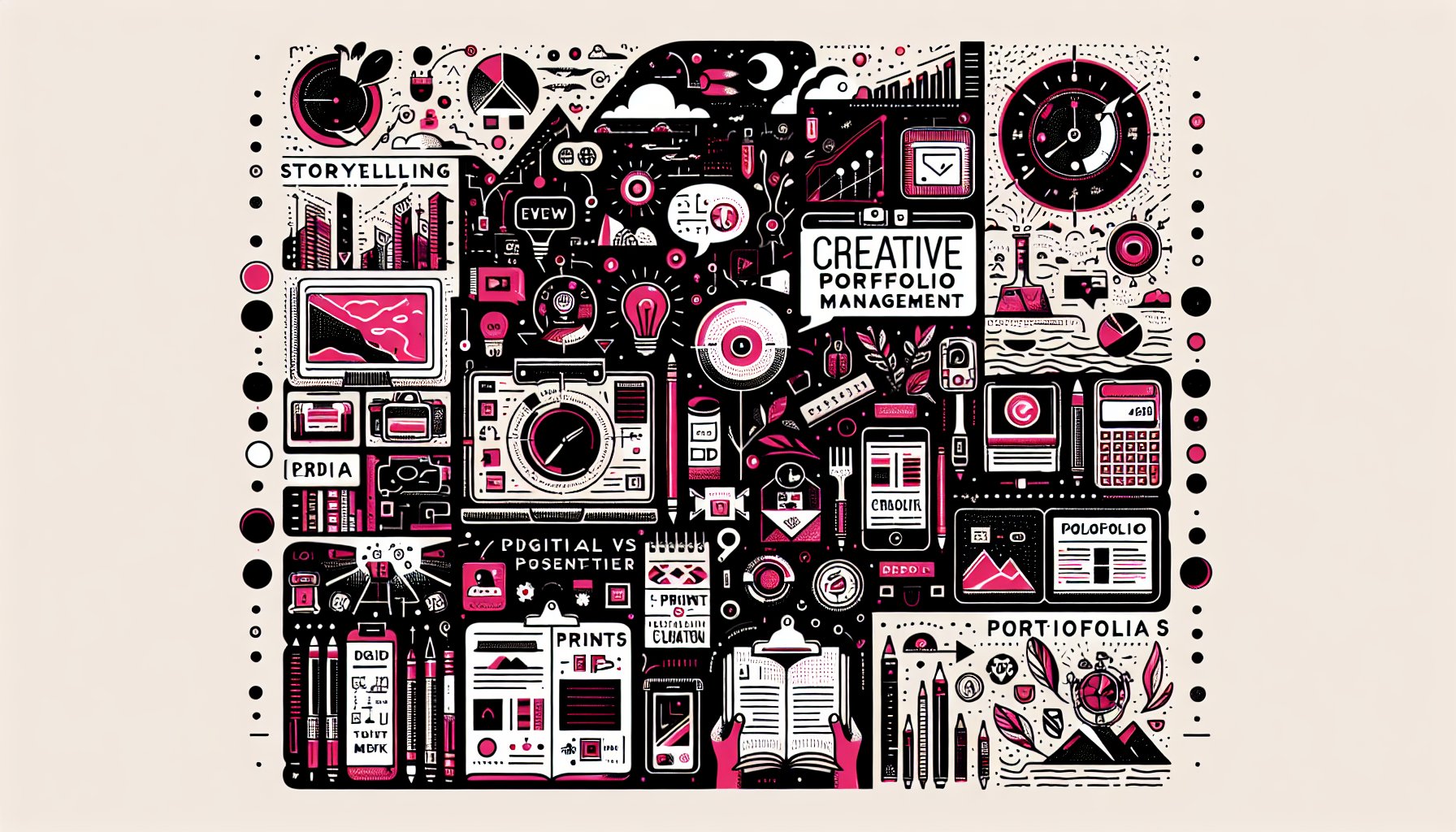
How to Build a Creative Portfolio that Stands Out: A Guide by CT Marketing Solutions
In the bustling world of creativity, standing out isn't just about being seen; it's about being remembered. Your portfolio isn't a dusty old binder of your greatest hits; it's a powerful narrative that broadcasts your unique perspective, skill, and creative flair to the universe of potential employers, clients, and collaborators. Think of it as your visual autobiography, one that tells who you are through your work.
Crafting Distinction: Beyond the Basics
Picture this: the traditional portfolio, that hefty binder, is now as obsolete as a rotary phone. Today, the portfolios that captivate are living, breathing journeys. Jeremy Carson, a creative director who's well-versed in the field, swears by the power of storytelling. Many creatives forget that they're not just showing what they did, but why it mattered, and often overlook articulating their unique role in projects.
To craft a standout portfolio, become a storyteller. Each project has a backstory richer than your morning coffee. Instead of just flaunting the final product, dive into the journey: what challenges did you face, what cool solutions did you whip up, and what did you learn from any slip-ups? Remember, acknowledging failures shows resilience, a trait that'll have your audience rooting for you.
1. Color Outside the Lines
Your portfolio shouldn't just show your work; it should scream your individual voice. If you're a designer like Mia, who once followed trends like a sheep, reinvent yourself. Infuse your portfolio with what you love, be it street art or vintage typography, and share why these elements are you. Hiring managers are on the lookout for individuals, not just another cookie-cutter creative.
2. The Canvas of Possibilities: Choosing the Right Format
Your portfolio's format can make or break your first impression. Digital portfolios can dazzle with interactivity, but don't make them a maze. Conversely, a print portfolio offers a personal, tactile journey. The sweet spot? A hybrid approach that marries the best of both worlds, like CT Marketing Solutions does. This strategic blend caters to diverse tastes while maintaining a clear storyline.
3. The Power of Storytelling
Your portfolio isn't just art on display, it's a narrative that encapsulates your path, much like a gallery where each piece has a soul. A marketing manager faced with reviving a nonprofit's campaign doesn't just show the final flyers. They share how they pinpointed the disconnect and how each design decision resonated with their audience. This storytelling sets you apart, letting employers see your problem-solving prowess.
4. Showcase Smart: Curating vs. Collecting
Curation is the magic wand separating a forgettable portfolio from an unforgettable one. Take Emma, who initially threw in everything, including her kindergarten doodles. She learned the art of selection, choosing pieces that spotlighted her strengths and projects that told her story. Your portfolio should mirror the work you aspire to do, showing not just what you did, but why it matters.
5. Beyond Aesthetics
In a sea of talent, data-driven results can be your lifesaver. CT Marketing Solutions doesn't just show off their designs, they prove their impact with numbers. A stunning branded item isn't just pretty; it's a vehicle that boosted brand visibility by 40%. Use data to paint a picture of your success, showing potential clients that you're not just an artist, but a strategic thinker.
6. The Evolution of Craft: Documenting Your Process
Your portfolio should be as alive as you are, evolving with each new lesson learned. Document your process, the good, the bad, and the ugly. Sharing your journey, highlighting your role in collaborations, and acknowledging mistakes show hiring managers that you're not just creative but adaptable and resilient, ready to tackle any challenge.
7. Feedback Loop: The Role of Critique in Portfolio Development
Creatives often fear critique like a cat fears water, but embracing it can be transformative. Critique isn’t about tearing you down; it's about building you up. Seek it, learn from it, and let it guide the evolution of your portfolio. Jeremy Carson learned the value of storytelling through feedback and grew because of it.
8. The Digital Advantage: Leveraging Technology for Portfolio Creation
In the digital age, your portfolio can be as interactive as a choose-your-own-adventure book. Platforms like Behance allow you to showcase not just end products but the evolution of your ideas through video and multimedia. Use analytics to refine your presentation, ensuring your portfolio isn't just innovative but also impactful.
9. Networking Canvas: Building Connections with Your Portfolio
Your portfolio is your networking ally. It's not only about showcasing your work but inviting others into your creative universe. Share personal anecdotes and collaborative experiences to forge connections that go beyond business cards. Genuine stories of resilience and passion can resonate, leading to unexpected opportunities.
10. Final Flourishes: Presenting Your Portfolio
The final touch is all about presentation and promotion. Your portfolio should echo your brand, consistent, engaging, and authentic. Use social media platforms to share behind-the-scenes glimpses, engage in industry dialogues, and collaborate with other creatives. Let your portfolio be a living narrative that captivates and connects.
TLDR: Your creative portfolio is more than a collection of work, it's a narrative that showcases your journey, voice, and impact. Embrace storytelling, choose the right format, curate with intention, and connect through authenticity. By integrating storytelling, formatting wisely, curating effectively, and incorporating data, you can build a portfolio that not only captivates but also opens doors to new opportunities.

 2276 Mangrove Dr

Need Help?
Check out these related products that can help:

Other Articles You Will Like

Creative Design
The Ultimate How-To Guide for Creating Stunning Graphic Designs
Unlock the secrets to captivating graphic designs that convert! Discover how to elevate your brand with our ultimate guide, featuring audience insights, design tools, and strategic execution. Transform your visuals into powerful marketing assets with CT Marketing Solutions.
Mar 21, 2026
Read More
Creative Design
Unlocking Creativity: A Deep Dive into Innovative Graphic Design Techniques
Dive into 'Unlocking Creativity: A Deep Dive into Innovative Graphic Design Techniques' and discover how blending traditional artistry with modern technology can transform your design process and empower your brand.
Mar 21, 2026
Read More

Creative Design
The Art of Branding: Exploring Effective Creative Design Strategies for Businesses
Discover how The Art of Branding: Exploring Effective Creative Design Strategies for Businesses can transform your brand. Learn to craft memorable experiences that resonate with consumers and drive engagement through innovative design and storytelling.
Mar 20, 2026
Read More
Creative Design
User-Centric Design: How Creative Solutions Enhance Digital Experiences
Discover how User-Centric Design: How Creative Solutions Enhance Digital Experiences transforms ordinary websites into captivating journeys. Explore innovative tools and empathetic strategies that create emotionally resonant digital ecosystems.
Mar 18, 2026
Read More


Creative Design
Visual Storytelling: The Power of Creative Design in Marketing Campaigns
Discover how visual storytelling transforms marketing campaigns. Explore the power of creative design in engaging audiences and building brand loyalty with CT Marketing Solutions and real-world examples like AHIP.
Mar 17, 2026
Read More

Creative Design
How to Master Creative Design: A Step-by-Step Guide for Beginners
Unlock your creative potential with our comprehensive guide on mastering creative design. Learn essential techniques, from design thinking to color psychology, and transform your ideas into impactful visuals. Perfect for beginners eager to elevate their design skills!
Mar 17, 2026
Read More

Creative Design
How to Design Eye-Catching Logos: A Comprehensive Tutorial
Unlock the secrets to designing eye-catching logos with our comprehensive tutorial. Learn about color psychology, typography, and design principles to elevate your brand identity and resonate with your audience.
Mar 16, 2026
Read More
